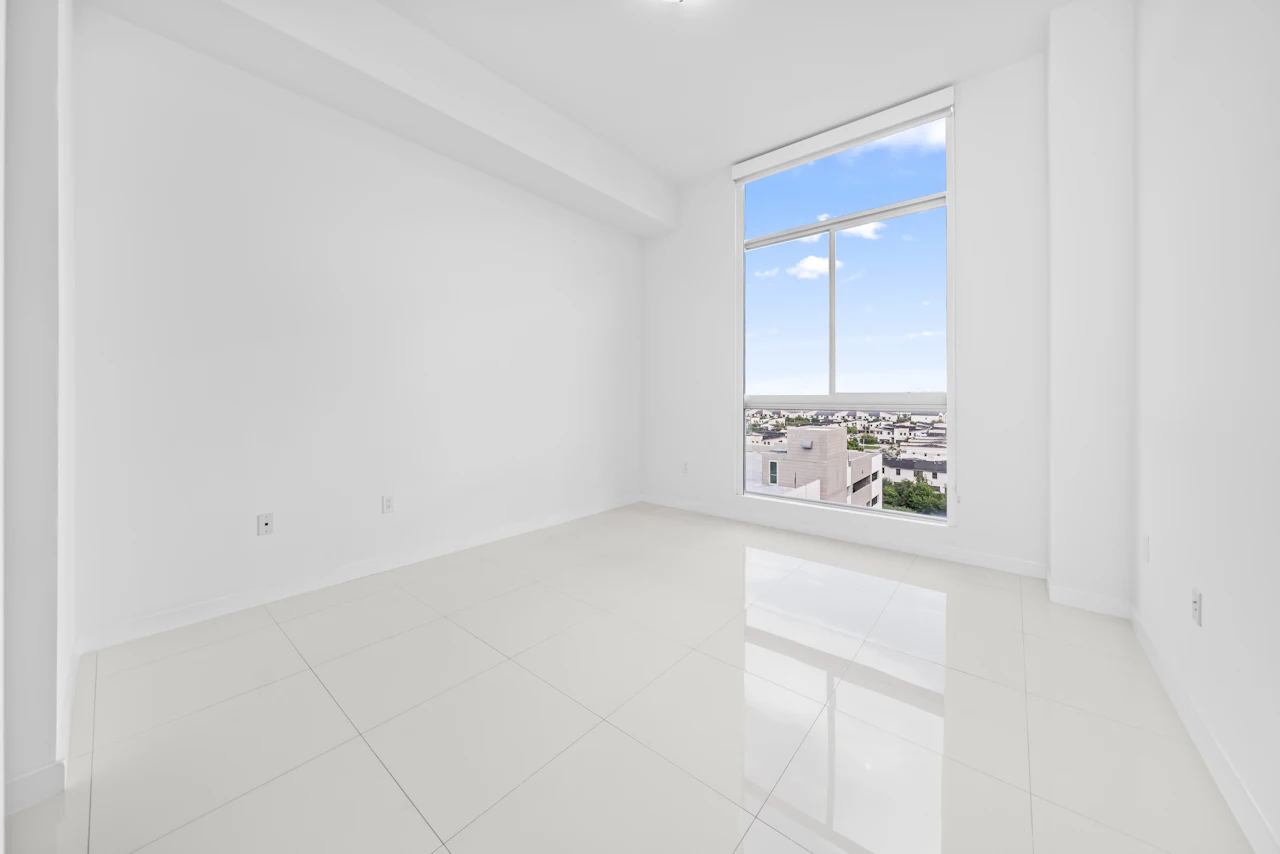
Rental Viewing in Denmark: How to Prepare the Home
People looking for a home often make up their minds within the first few minutes of a viewing. If it smells stuffy, the hallway is dark or a dripping kitchen tap is the first thing they notice, most will think, “What else is wrong here?” This guide shows how to get a rental home ready for a viewing without spending a lot. It also covers what to do when the home is empty and when the current tenant still lives there. At the end there is a checklist you can use the day before.
The article is written for private landlords and for tenants who have given notice and have to let people in to see the home. If you are looking for a home yourself, you can also use it to see what may be hiding behind a polished viewing.
Who does what at a viewing?
Who is responsible depends on whether the home is empty or someone lives there.
| Situation | Who is responsible for the viewing? | Who can make the home presentable? |
|---|---|---|
| The home is empty | The landlord | The landlord: cleaning, small repairs, lighting and heating |
| The tenant has given notice and still lives there | The landlord shows the home, and the tenant must give access | The tenant decides over their own home. The landlord can only ask for help |
| You rent out a room in your own home | You | You: shared areas matter just as much as the room |
The most important thing to understand is that a tenant who still lives in the home must give access for viewings. The tenant is not, however, obliged to get the home ready to be sold or let. Anything beyond access is something you agree between you, and it is always a good idea to agree it well in advance.
The rules when the tenant still lives in the home
When a tenant has given notice or has to move out for another reason, the tenant must give access so the home can be viewed. This is set out in lejeloven § 186, stk. 1 (the Danish Rent Act, section 186(1), in Danish). In short, the provision means:
- The tenant decides the time.
- Access must be at least 2 hours every other weekday.
- The time must be suitable for a viewing. 6.30 in the morning, or in the middle of working hours for most home seekers, will hardly meet that requirement.
- If the tenant is not present or represented, the viewing may only take place if the landlord or the landlord’s representative takes part. In other words, the landlord cannot simply hand a key to someone looking for a home.
Apart from the viewing rule, the landlord only has access to the home when circumstances require it (lejeloven § 102). If the landlord wants to look around, take photos or show the home outside the agreed times, that is not covered by the rule. It requires the tenant’s consent.
Lejeloven says nothing about how the home should look at a viewing. Mess, laundry and an unmade bed are the tenant’s own business, as long as there is access. When the tenant moves out, the home must be handed back in the same condition as when they moved in, except for wear and tear that is not covered by the tenant’s maintenance obligation and defects that the landlord must remedy (lejeloven § 187, stk. 1). That rule applies when moving out, not at the viewing.
Photos of an occupied home: The tenant’s furniture, pictures and belongings are private. As a landlord, you should always ask before taking photos for the listing, and preferably use photos from before the tenant moved in, if you have any. This is our recommendation, not a rule in lejeloven, but it saves you both an unnecessary conflict.
If you are a tenant who has given notice and would like to leave early, it is in your own interest that the home is let again quickly. Read more about notice periods and moving out early in the guide to ending your lease as a tenant.
Why the effort pays off
An empty month is expensive. In Bolighub’s listings, the typical rent (the median) for a 3-room home was around DKK 9,700 a month on 16 November 2026. In Copenhagen the median for all types of home was around DKK 15,000, and in Aalborg around DKK 7,600. A single month without a tenant therefore costs more than a tin of paint, new light bulbs, a few hours of cleaning and an afternoon spent fixing small things. See more figures on the rental market page.
A well-prepared viewing also sorts the home seekers more quickly. When they can see the home clearly and get answers to their questions straight away, you get fewer “I’ll get back to you” replies, and the applications become more serious.
Priorities: what gives the most effect for the least effort?
Spend your energy on what people notice, in this order.
1. Clean and fresh air
Cleaning is the cheapest and most effective thing you can do. Focus on:
- Bathroom: limescale on taps and the glass shower screen, grout, drains and the toilet. A dirty bathroom is the most common reason for a bad first impression.
- Kitchen: hob, cooker hood filter, and the inside of the fridge and oven if they come with the home. Home seekers open cupboards.
- Windows: clean glass lets in more light, and it shows in photos.
- Smell: air the home for 10-15 minutes before the viewing starts. Avoid scented candles and strong cleaning products, which make it seem as if you are hiding something. Read more about airing out and moisture.
2. Light
Viewings in November and December often take place in the dark.
- Replace dead bulbs in all lamps and light fittings, including in the stairwell, basement storage room and outbuilding.
- Turn on all the lights before the first home seeker arrives.
- If the home is empty and has no lamps, hang a couple of temporary pendant lights or put battery lamps in the living room and bedroom. A room with a bare wire hanging from the ceiling looks smaller and colder.
- Open curtains and blinds fully during the day.
3. Small, visible faults
It is the small visible things that make a home seem neglected:
- dripping taps and a toilet that keeps running
- loose door handles, crooked cupboard doors and missing handles
- holes from nails and screws where pictures used to hang
- a socket or ceiling light outlet without a cover
- cracked grout and silicone around the bath or shower
As a landlord, you will have to fix most of these faults before the new tenant moves in anyway. So it is cheaper to do it before the viewing than afterwards.
4. Walls and floors
If the home needs painting, paint it before you show it, if there is time. If there isn’t, say so openly: “The living room will be painted before you move in.” That is better than leaving people to guess. Scratches in the floor don’t have to be a problem, but you should be able to explain obvious water damage or warped parquet.
5. Outside and the stairwell
The first impression starts at the front door. Check the door entry phone and name plate, remove junk mail and bikes that are in the way, and sweep the steps outside if you are responsible for them. For houses and terraced houses: mow the lawn or rake up leaves, clean the letterbox, and make sure the path is gritted or cleared of snow in wintry weather.
How to show an empty home
An empty home is the easiest to show, but it can feel cold and small. You can do something about that:
- Heating: Turn up the radiators a day before. A cold home in November gives the impression of draughts and high heating bills, whether or not that is true.
- Measurements and floor plan: Put out a floor plan with measurements and bring a tape measure. Home seekers want to know whether their sofa will fit and how wide the wall for the bed is.
- Help their imagination: A small table with two chairs in the kitchen or a rug in the living room shows how the room can be used. It doesn’t need to be more than that.
- Tell them about the light: Where is the sun in the afternoon? Is there a view from the bedroom? That can’t be seen in the dark, so tell them, or show a photo taken in daylight.
- Check the installations: Test the water, electricity, cooker hood, ventilation and appliances. It is embarrassing when a home seeker turns on the tap and nothing comes out.
How to show a home you still live in
If you are a tenant and have given notice on your home, you can make the viewings easier for yourself and help your landlord at the same time:
- Choose fixed times that suit you, for example Tuesday and Thursday from 16.30 to 18.30. Send them to your landlord in writing so there is no doubt.
- Do a 15-minute tidy-up before each viewing: clear the kitchen counter, put away laundry, empty the bin and make the bed.
- Put away valuables and papers: passport, letters, medicine, computer and jewellery. You don’t know who will come in.
- Pets should either be out of the home or in a closed room. Some home seekers are afraid of dogs or allergic.
- Pack early: moving boxes stacked neatly in a corner are fine. They simply show that you are on your way out.
- Be honest about what comes with the home and what is yours. Curtains, lamps and shelves you are taking with you should not become part of what home seekers expect.
You are not obliged to show the home yourself. If you are at home, though, it is often easiest for you to open the door and let the landlord or the landlord’s representative take care of the rest.
Have the paperwork ready: a short information sheet
Many questions come up again and again. Write the answers on one page and print it, or send it as a PDF after the viewing:
- rent, aconto payments (advance instalments) for heating, water and electricity, and how actual consumption is settled
- depositum (deposit) and any forudbetalt leje (prepaid rent)
- move-in date and any period in which the lease cannot be terminated (uopsigelighed) or any time limit on the lease
- pets, smoking, house rules and shared areas such as the laundry room, bike basement and courtyard
- internet: provider and speed
- the home’s floor area and number of rooms
- energimærke (energy performance certificate)
The energimærke is not just a nice extra. According to Energistyrelsen (the Danish Energy Agency), the landlord must make sure the tenant receives the energy label before the lease is entered into, and the owner pays for it. The energimærke must also be visible when the home is advertised, for example in newspapers and online. This also applies when private individuals let out a home. An energimærke is valid for 10 years. There are exceptions, for example for short-term lets of no more than 4 weeks. So check the rules for your home on Energistyrelsen’s page about energy labelling (in Danish) before you put up your listing.
The viewing itself: planning and safety
- Open viewing or fixed slots? If there is a lot of interest, an open viewing of 30-45 minutes saves time. With few interested people, or with a higher rent, 15-20 minutes per visit often works better, because there is time for questions.
- Confirm the appointment the day before, and send the address, floor and stairwell entrance. That way fewer people arrive late and fewer fail to show up.
- Follow the same route through the home each time, and finish in the best room.
- Let people look for themselves. They should be able to open cupboards, check the water pressure and see the basement storage room.
- Be honest about drawbacks such as traffic noise, steep stairs or a small kitchen. They will come out anyway, and honesty means fewer tenants giving notice after a short time.
- Never accept a deposit or rent at the viewing, and don’t ask for it either. Money is only paid once the lease has been signed. This protects both parties against misunderstandings and fraud. See also advice for a safe housing search.
- Note who came and what they asked about. That makes it easier to follow up and to choose a tenant on an objective basis.
Two examples
Mette is letting an empty 2-room flat in Aarhus. The previous tenant moved out on 1 November, and the move-out inspection (fraflytningssyn) has been carried out. Mette spends a weekend painting the living room, replacing two bulbs, descaling the bathroom and tightening three cupboard doors. She turns up the heating the day before, puts a lamp and two chairs in the living room and prints an information sheet with the energimærke and utility costs. She holds two open viewings over one week and has a signed lease before the end of the month. The cost is a few hundred kroner for paint and bulbs, plus a weekend of her time.
Jonas has given notice on his flat in Nørrebro (a district in Copenhagen) and is moving to Odense. He writes to his landlord that viewings will be on Tuesday and Thursday from 17.00 to 19.00. Before each viewing he spends a quarter of an hour tidying up and airing the flat, and he shuts the cat in the bedroom with a sign on the door. He tells home seekers that the bookcases and curtains are moving with him. The landlord handles the viewing itself and shows photos of the flat from the last time a tenant moved in, instead of taking photos of Jonas’s belongings.
Common mistakes
- Showing the home in the dark with half the bulbs dead.
- Hiding known faults such as damp in the corners, poor water pressure or noise. They will come out at the move-in inspection or during the first winter, and then you have an unhappy tenant.
- Promising repairs verbally that are not included in the lease. Write it in if something is to be fixed before move-in.
- Turning up at a tenant’s home without an agreement, or sending home seekers there alone. Viewings must take place at the times the tenant has set, and the landlord or a representative must be present if the tenant is not there.
- Photographing the tenant’s home without permission.
- Forgetting the energimærke in the listing and for the new tenant.
- Over-styling: scented candles, artificial flowers and a home that looks completely different from the photos create distrust.
Checklist for the day before the viewing
Landlord (empty home)
- Bathroom, kitchen and windows cleaned
- All bulbs work, including in the stairwell and basement storage room
- Heating is on and the radiators have warmed the home
- Water, electricity, appliances and cooker hood tested
- Small visible faults fixed or noted
- Door entry phone and name plate work, and the entrance is clear
- Information sheet with rent, aconto, deposit, move-in date and energimærke printed
- Floor plan and tape measure ready
- Appointments confirmed with address, stairwell entrance and floor
Tenant who still lives in the home
- Viewing times sent to the landlord in writing
- Kitchen counter and floors cleared, and the bin emptied
- Valuables, papers and medicine put away
- Pets out of the home or in a closed room
- The home has been aired
- You know what comes with the home and what is yours
Advice for landlords
- Start with the move-out inspection and use it as a to-do list. Whatever you have to fix anyway should be done before the viewing.
- Take photos for the listing once the home is ready, in daylight and with all the lights on. See also our advice on a great listing for your rental property.
- Agree viewings with the outgoing tenant in writing, and respect the times the tenant has set.
- Have answers ready about rent, utility costs and the lease, and be clear about what the lease says.
- Plan the move-in inspection so that any faults still present at move-in are written down. This also protects you when the next tenant moves out.
- You can list your home as a landlord on Bolighub when it is ready to be shown.
Advice for tenants moving out
- Set the times yourself, but choose times when people can actually come, for example late afternoon or early evening.
- Feel free to help more than you have to if you want to leave early. The sooner the home is let, the sooner you stop paying rent in two places. This does, however, require a written agreement with your landlord.
- Start cleaning early. What you do now saves you time before the move-out inspection. Read our advice on cleaning when you move out.
Advice if you are going to a viewing
A polished viewing tells you nothing about what the home is like to live in. Check the water pressure, look for damp patches in corners and on windowsills, ask about heating costs and read the energimærke. Also ask what will be done before you move in, and get it written into the lease. Prepare for the move-in inspection when you get the keys, and find more homes among the rental properties on Bolighub.
In short
A rental home is most presentable when it is clean, bright, warm and free of visible small faults. That is cheap compared with a month standing empty. If the home is empty, it is the landlord’s job to get it ready. If the tenant still lives there, the tenant must give access for at least 2 hours every other weekday at times the tenant sets. Anything beyond that is a matter of agreement between tenant and landlord. Have an information sheet ready with rent, utility costs, deposit and energimærke, be honest about the drawbacks, and never accept money before the lease has been signed.
FAQ
Am I obliged to show my flat after I have given notice?
Yes. Once the lease has been terminated, you as the tenant must give access so the home can be viewed. You set the time yourself, but it must be at least 2 hours every other weekday and at a time suitable for a viewing (lejeloven § 186, stk. 1).
Do I have to clean and tidy before a viewing as a tenant?
Lejeloven sets no requirements for how the home must look during the viewing. The requirement is that there is access. It is still a good idea to tidy up a little, especially if you want to leave early and have an interest in the home being let again quickly.
Can the landlord show the home when I am not at home?
Yes, but only at the times that apply for viewings, and only if the landlord or the landlord’s representative takes part when you are not present or represented yourself. The landlord may not give the key to home seekers so they can view the home alone.
Can the landlord take photos of my home for the listing?
Lejeloven does not give the landlord any special right to photograph a tenant’s home. The landlord should therefore ask first, and preferably use photos from before you moved in. Disagreements about access to the home may ultimately depend on the specific situation.
Does the energimærke have to be shown at a rental viewing?
The energimærke must be given to the tenant before the lease is entered into, and it must appear in the listing when the home is advertised. It is a good idea to include it on the information sheet at the viewing. There are exceptions, for example for short-term lets, so check Energistyrelsen’s rules.
What should a landlord repair before a viewing?
Start with what home seekers can see: dripping taps, loose handles and cupboard doors, holes in the walls, dead bulbs and limescale or dirt in the bathroom. Whatever you have to fix before move-in anyway is cheapest to do first.
Sources and further reading
- Retsinformation: Lejeloven, lov nr. 341 af 22. marts 2022 (the Danish Rent Act, Act no. 341 of 22 March 2022, in Danish), especially § 102 (landlord’s access), § 186 (viewings and new address) and § 187, stk. 1 (moving out and condition on hand-back)
- Energistyrelsen: Hvornår skal bygninger energimærkes? (When must buildings have an energy label?, in Danish)
- Energistyrelsen: Annoncering af energimærke (Advertising the energy label, in Danish)
- Bolighub: Rent figures from listings on Bolighub, as of 16 November 2026. See the rental market
- Bolighub: Ending your lease in Denmark