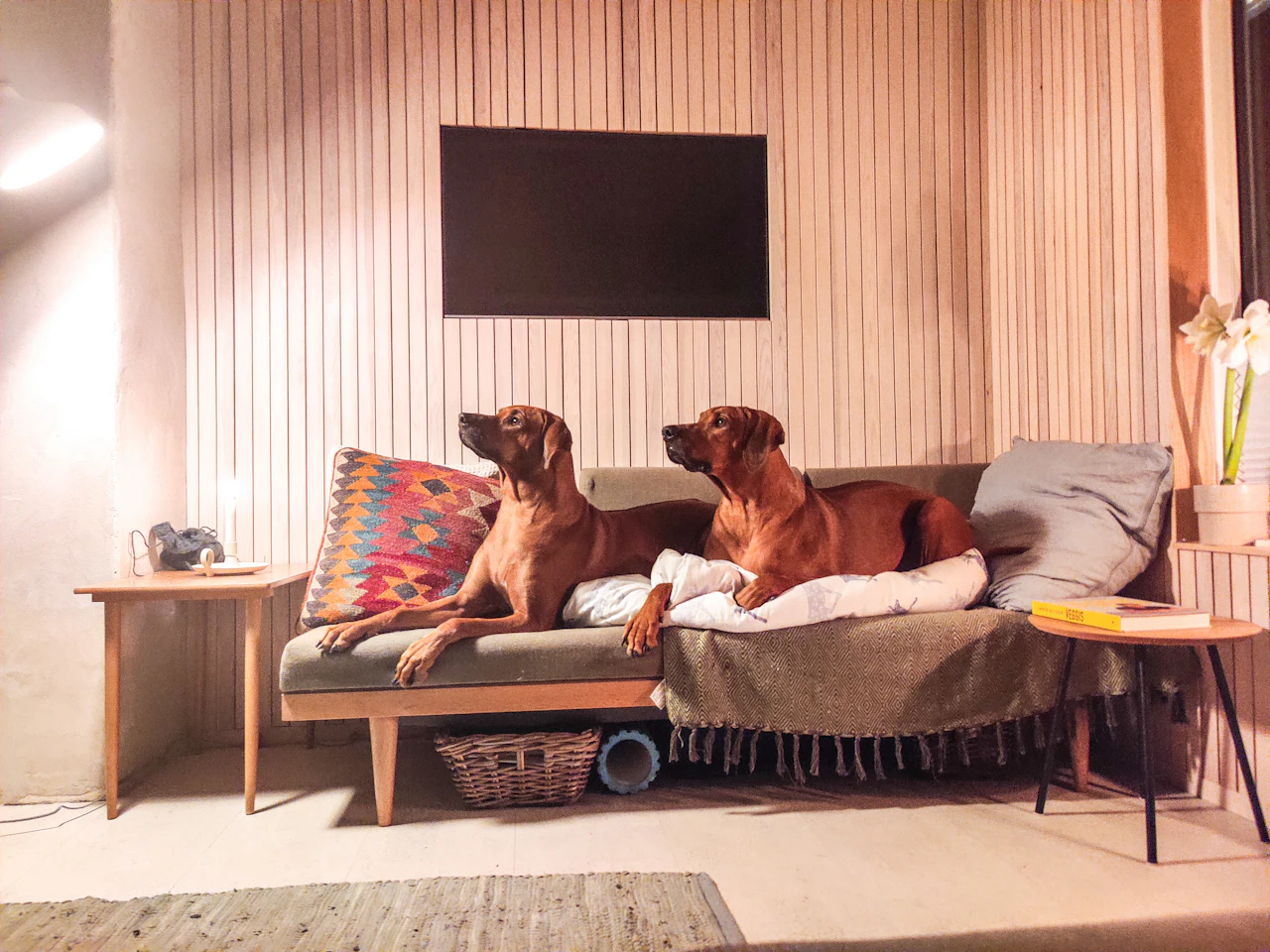
Pets in a Danish rental: What can the landlord decide?
Updated October 2026. If you have a dog or a cat, or would like one, the key question isn’t what the Danish Rent Act (lejeloven) says in general. It’s what your lease and the building’s house rules (husorden) say. The Rent Act doesn’t give tenants a general right to keep pets, and it doesn’t ban them either. What it does say clearly is what can happen if you keep an animal against the lease or the house rules.
Here you’ll find the rules, the typical terms on dogs and cats, and a concrete list of what you should get written into your lease before your pet moves in. The article mainly covers private rentals under lejeloven (in Danish). Almene boliger (non-profit social housing) have their own rules, which we cover at the end.
In short
- As a starting point, the landlord can decide whether pets are allowed, through the lease and the house rules.
- If you keep a pet against the lease or the house rules, there can be consequences, even if the animal doesn’t bother anyone (lejeloven § 153(2), in Danish).
- Before the landlord can have a sanction imposed on you, you must have received a reminder and carried on anyway (§ 154(2)).
- Written permission in the lease is the strongest protection you can get as a tenant.
- In almene boliger, people who depend on a guide dog or service dog always have the right to keep it, regardless of the house rules.
Lease and house rules: Where are the rules on pets?
There are usually two places to look:
1. The lease. Most private landlords use the standard lease Typeformular A. Here the landlord states whether pets are allowed, and any special conditions are written into the lease’s special terms (§ 11). If it says “no” to pets, that’s a term you accepted when you signed.
2. The house rules. The husorden is the building’s rules of conduct, for example on noise, rubbish, the laundry room and animals. Under the Rent Act, tenants must follow the building’s general rules of conduct and reasonable instructions intended to ensure good order (§ 152(2)). So the house rules can also contain a ban or conditions, for example that dogs must be kept on a lead in shared areas.
If the lease and the house rules don’t agree, the general starting point in practice is that the specific agreement in your lease takes precedence over the general rules in the house rules. If your lease says in black and white that you may keep a dog, the landlord generally can’t take that permission away by changing the house rules. Read more about how a lease is structured in our guide to understanding a Danish rental lease agreement.
What if the lease says nothing?
If neither the lease nor the house rules say anything, it’s usually assumed that you may keep ordinary pets, as long as they don’t cause significant nuisance to others. That’s an uncertain position to be in, though. The landlord can later add rules to the house rules, and a disagreement about what was agreed is hard to win without something in writing. So always ask, and get the answer in writing.
Dogs and cats versus small animals
A ban on “pets” (husdyr) is typically understood as a ban on animals such as dogs and cats. Smaller animals such as aquarium fish, budgies and hamsters are in practice often treated as small animals that aren’t covered, unless they’re mentioned specifically. The line isn’t set out in law, and rabbits, ferrets and larger caged birds can be a grey area. If in doubt, ask the landlord before you get the animal.
What can the landlord decide about pets?
As a starting point, the landlord can:
- Ban pets entirely in the lease or the house rules.
- Give permission with conditions, for example only one cat, indoor cats only, only dogs under a certain size, or a requirement that dogs are kept on a lead on the stairs and in the courtyard.
- Give permission for a specific animal, for example “the tenant’s dog Bella”.
- Require consideration for others, for example that mess left in shared areas is cleaned up immediately.
The landlord also has a duty to ensure good order in the building (§ 152(1)). That’s why many landlords are cautious about pets in buildings with poor sound insulation, shared stairwells or residents with allergies.
What the landlord can’t do is unilaterally remove a permission that is in your lease. Changes to the tenancy agreement generally require both parties to agree.
If the house rules are changed
The landlord can change the house rules along the way. If tenants’ representatives (beboerrepræsentanter) have been elected, a residents’ meeting can also adopt house rules, which apply unless the landlord has weighty reasons to oppose them (§ 193(1)). Tenants have the right to elect tenants’ representatives in buildings with at least six residential flats (§ 192).
If a pet ban is introduced in the house rules, the widely held view is that the ban only applies going forward: animals that were lawfully in the home before the change may as a rule stay, but you can’t get a new one when the old animal dies. If, on the other hand, your permission is in the lease itself, it still applies. There’s no explicit rule on this in the Rent Act, so in an actual dispute you should get advice.
What happens if you keep a pet without permission?
The Rent Act has a special system for breaches of the house rules and of good conduct and order. This also covers pets.
Pets kept in breach of a ban. If you keep a pet in breach of the tenancy agreement or the house rules, sanctions can be imposed on you, whether or not the animal bothers anyone (§ 153(2), in Danish).
Pets that cause nuisance. Even with permission, you can run into problems if the animal causes significant nuisance to other residents, for example through noise, smell, uncleanliness or because it makes people afraid (§ 153(1)(8)). Minor nuisance from keeping animals is also mentioned in the law (§ 153(1)(10)).
The steps in a case
- A reminder from the landlord. It’s a condition for sanctions that the breach happened despite a reminder from the landlord (§ 154(2)). The landlord should give it in writing.
- A case at the huslejenævn. If the situation continues, the landlord can bring the case before the huslejenævn, the local rent tribunal (§ 155). The tribunal can give you a warning or make the tenancy conditional, so that breaching specific terms within 1 year can give the landlord grounds to terminate the lease with notice or cancel it outright (§ 154(1)).
- Termination or cancellation. If the animal causes significant nuisance and the situation is so serious that you need to move out, the landlord can ultimately terminate or cancel the lease (§ 171(1)(6) and § 182(1)(7)). The same can happen if you breach the conditions of a conditional tenancy (§ 182(1)(8)). Matters of minor significance can’t justify cancellation (§ 183).
This doesn’t mean you’ll be evicted the first time a neighbour sees your cat in the window. But a dog without permission is a real risk of losing your home, especially if you carry on after a reminder. The sanctions also apply if it’s someone else in your household, or someone you’ve given access to your home, who is responsible (§ 153(3)).
What you should get written into the lease
It’s much easier to sort out pets before you sign than afterwards. Ask for the permission to be in the lease or in a signed addendum, not just in a text message or a verbal agreement at the viewing.
Checklist for tenants before signing:
- Is the box ticked to say pets are allowed?
- Does it say what kind of animal and how many, for example “1 dog” or “2 indoor cats”?
- Does the permission only cover this specific animal, or also a new one if the current one dies?
- Are there conditions on size, breed, lead, balcony, garden or shared areas?
- Do the house rules say something different from the lease, and have you been given a copy of the house rules?
- Can you have animals visiting, or look after a friend’s dog for a while?
- Has anything been agreed about special cleaning or flea treatment when you move out?
Example of clear wording under the special terms:
“The tenant is permitted to keep 1 cat, kept as an indoor cat. The permission also applies if the cat is later replaced by a new cat. The animal must not cause significant nuisance to the building’s other residents.”
This wording is an example, not a legal template. Adapt it to your agreement.
Two everyday examples
Sara and her cat in Aarhus. Sara gets a two-room flat. At the viewing, the landlord says “a cat is probably fine”, but the lease says “no” to pets. She asks the landlord to change it to “yes” and write “1 indoor cat” under the special terms before she signs. Six months later the building gets a new owner, and the new landlord can see the permission in the lease. Without that correction, Sara would have had a verbal agreement against a written lease.
A landlord with eight flats in Odense. A private landlord gets complaints about a barking dog and wants to introduce a dog ban in the house rules. The ban can work for new animals, but the tenant with the dog has permission in their lease. The solution instead is to give a written reminder about the barking and document whether the nuisance continues. If that doesn’t help, the case can go to the huslejenævn.
Common mistakes
- Relying on verbal permission. It’s hard to prove, especially if the building changes owner or managing agent.
- Thinking a small animal is always fine. A ban can easily cover a small dog. It’s typically the species, not the size, that decides it.
- Getting a new animal after a ban in the house rules. An existing animal can often stay, but that doesn’t mean you can get a new one.
- Ignoring a reminder. The reminder is exactly what opens the door to sanctions. Reply in writing, and either fix the problem or explain why you believe you have permission.
- Forgetting about damage when you move out. Scratches on floors and door frames, urine damage and smells are typically not considered normal wear and tear. The cost can be deducted from your depositum (deposit).
Advice for tenants
- Look for homes where pets are allowed from the start. It saves you negotiation and risk. You can filter among available rental homes and mention in your application which animal you have.
- Be honest about the animal: species, age, size and habits. A calm, adult cat is a different matter for a landlord than a puppy.
- Take photos of floors, doors and frames when you move in, so you can document what the animal didn’t do.
- Take complaints from neighbours seriously and early. Barking, smells and mess are classic sources of conflict. See our advice on avoiding neighbour conflicts.
- If you’ve received a reminder or a demand to get rid of the animal, get advice from a tenants’ association (lejerforening) or a lawyer before you reply.
Advice for landlords
- Decide on pets before you advertise, and say so in the listing. It leads to fewer misunderstandings.
- Be precise in the lease: which animal, how many, and whether the permission also covers a replacement animal.
- Make sure the house rules have been handed over and don’t conflict with what you’ve agreed in the lease.
- Respond to problems with a factual, written reminder with specific dates and incidents. It’s a prerequisite for any case.
- Remember that changing the house rules doesn’t automatically remove permission you’ve already given in a lease.
- Consider allowing pets. Many people looking for a home have animals, and clear permission with sensible conditions can bring in more applicants.
Almene boliger and service dogs
In almene boliger (non-profit social housing), it’s usually the residents of the housing section (afdeling) who decide the house rules and therefore the rules on pets. The rules on consequences are similar to the Rent Act’s: the tenant can face sanctions if pets are kept in breach of the tenancy agreement or the house rules, even if the animal doesn’t bother anyone, and this requires a reminder (almenlejeloven §§ 81-82, in Danish). Cases go to the beboerklagenævn (residents’ complaints board) instead of the huslejenævn. If the landlord doesn’t act on a complaint about another resident, the tenant who complained can in some cases bring the case themselves (almenlejeloven § 83).
People with a permanent physical or mental disability, as well as blind and partially sighted people, who depend on a guide dog or service dog always have the right to keep it in an almen bolig, regardless of the house rules (bekendtgørelse om drift af almene boliger § 130, in Danish). This applies to dogs specially trained to carry out tasks for the person, not ordinary family dogs.
In private rentals, the Rent Act has no equivalent rule. If you need a service dog, raise it with the landlord before you sign, and seek advice if the landlord says no.
Summary
As a starting point, the landlord can decide whether dogs and cats are allowed, through the lease and the house rules. Keeping an animal against the rules can lead to a warning, a conditional tenancy and in serious cases losing your home, but only after a reminder. The best protection is written, precise permission in the lease that also covers a new animal. If you’re in an actual dispute, get advice before you act.
FAQ
Can a landlord ban dogs and cats in a rental home?
Yes, as a starting point. The landlord can include a ban in the lease or the house rules. If you keep a pet in breach of the ban, you can face sanctions under the Rent Act, even if the animal doesn’t bother anyone.
Can my landlord ban pets after I’ve moved in?
The landlord can change the house rules, but as a rule that can’t remove a permission that’s in your lease. If the permission is only in the house rules, the widely held view is that an existing animal may stay, but you may not get a new one.
Can I be evicted for having a cat without permission?
It can ultimately have consequences for your tenancy, but the landlord must first give you a reminder. After that, the huslejenævn can give a warning or make the tenancy conditional. Termination or cancellation requires a serious situation, and minor matters aren’t enough.
Does a pet ban also cover fish and hamsters?
Typically not. Small animals such as aquarium fish, budgies and hamsters are in practice normally not covered by an ordinary pet ban, unless they’re mentioned specifically. Ask the landlord if you’re in doubt.
Can I look after my friend’s dog in a flat with a pet ban?
It depends on how the ban is worded and how long the animal stays with you. A short visit is rarely a problem, but looking after a dog for a longer period can be seen as keeping a pet. Ask the landlord in advance.
Do I have a right to a service dog in a rental home?
In almene boliger, people with a permanent disability who depend on a guide dog or service dog always have the right to keep it. In private rentals, the Rent Act has no equivalent rule, so talk to the landlord before signing the lease, and seek advice if they refuse.
Sources and further reading
- Retsinformation: Lejeloven, lov nr. 341 af 22. marts 2022 (the Rent Act, Act no. 341 of 22 March 2022, in Danish), especially §§ 152-155, 171, 182, 183, 192 and 193
- Retsinformation: Almenlejeloven, LBK nr. 928 af 4. september 2019 (the Act on renting non-profit housing, Consolidated Act no. 928 of 4 September 2019, in Danish), especially §§ 80-83
- Retsinformation: Bekendtgørelse om drift af almene boliger m.v., BEK nr. 1642 af 2023 (Executive Order on the operation of non-profit housing, in Danish), § 130
- Social- og Boligministeriet: Standardlejekontrakt, Typeformular A (standard lease, in Danish)